
Leading Without Domination

3 min read
·
1 day ago
Domination promises protection but delivers captivity. True leadership — the leadership of the Lamb — is power under control: strength harnessed for the good of the vulnerable.
What Domination Looks Like
From abusive relationships to authoritarian workplaces, domination always threatens instead of invites, controls instead of care, and silences instead of serves.
A Network of Lies: When Covenant Turns into Captivity
I once believed honesty ran in every family. My great‑grandparents had drilled it into our bones: never take a sewing pin that isn’t yours. I assumed integrity was universal — until I met a man who lived by a different creed.
He could turn violence into romance and adultery into adventure. At first, he hid the affairs behind midnight phone calls and unfamiliar perfume; eventually he stopped hiding. His place at the dinner table became as empty as his promises. The church told me to win him “without a word,” to soften him with obedience. The verses began to clash inside my ribs: submit… love your wife… lay down your life. Which command was mine to carry — and which abuse was I commanded to endure?
I became the shell of a woman: Bible in one hand, victimhood in the other. The suicide hotline kept me breathing but couldn’t make me want to live.
Then came a blizzard evening. An elderly couple shuffled past my driveway, stopped, and asked, “Need prayer?” I held out a shaking hand, too tired to list my tragedies. They prayed one thing:
“Father, remind Your daughter she is Yours — and let her be born again into hope.”
I didn’t know being “born again” could happen to a church‑going woman long after baptism, long after wedding vows, and long after her sense of self had died. But that night, hope ignited in the snow. I wasn’t just a battered wife. I was still a child of God.
That single prayer did not erase bruises or file divorce papers. It did something deeper: it broke the spell of distorted teaching. The Lamb’s voice cut through the wolf’s theology.
I began to picture leadership the way Jesus lived it — scarred hands refusing to strike, truth spoken without terror, love offered without lies. Step by step, I walked out of domination and into the open pasture of my Father’s house.
If you feel trapped by spiritualized abuse, call the National Domestic Violence Hotline (800‑799‑SAFE) or speak to a trauma‑informed counselor.
What finally saved me was not my own strength but a stronger Presence. Now let’s explore what true strength really is — power under control.
Power Under Control — Meekness in Action
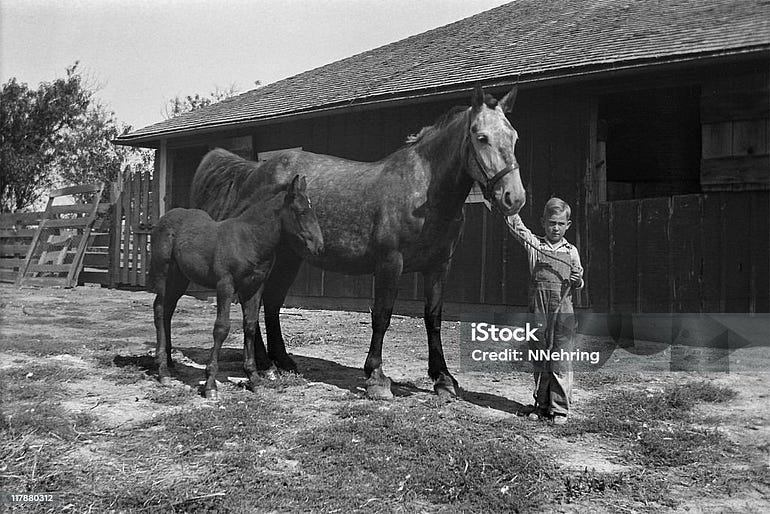
Meekness is not weakness; it is authority that refuses to exploit. Picture a 1,200‑pound gelding standing quietly while a child fastens a lead rope — the rope slack. The horse could flee but chooses presence — that is power under control.
Human example: A manager notices tension in a meeting. She pauses, lowers her tone, and invites the quietest voice to speak. Her position gives her the right to overrule; herself‑control wins trust.
Gospel example: Jesus in Gethsemane (Matthew 26:53) could summon twelve legions of angels, yet He restrains His power for love.
Practicing Power Under Control
· • Breathe before you speak — regulate yourself so others feel safe.
· • Ask questions before giving commands — curiosity invites agency.
· • Use strength to shield, not shame — stand between harm and the vulnerable.
· • Release control where possible — shared power multiplies impact.
Reflection Questions
1. Where have I confused protection with possession?
2. Which Scriptures have set me free from fear‑based leadership?
3. Who around me needs my strength to become a shelter, not a weapon?
4. What boundary can I set this week that honors both my agency and others’ safety?
Prayer
Lamb of God, teach me the strength of gentleness. Harness my words, gifts, and influence for healing. Make me safe for others and bold for justice.
Amen.
Excerpt from Lead Like the Lamb(c) Rahab Mitchell, trauma survivor and horsewoman, weaves together wisdom, biblical insight, and the lived experience of healing from harm.